Exhibition Lighting Planning: A Step-by-Step Guide for Art Spaces
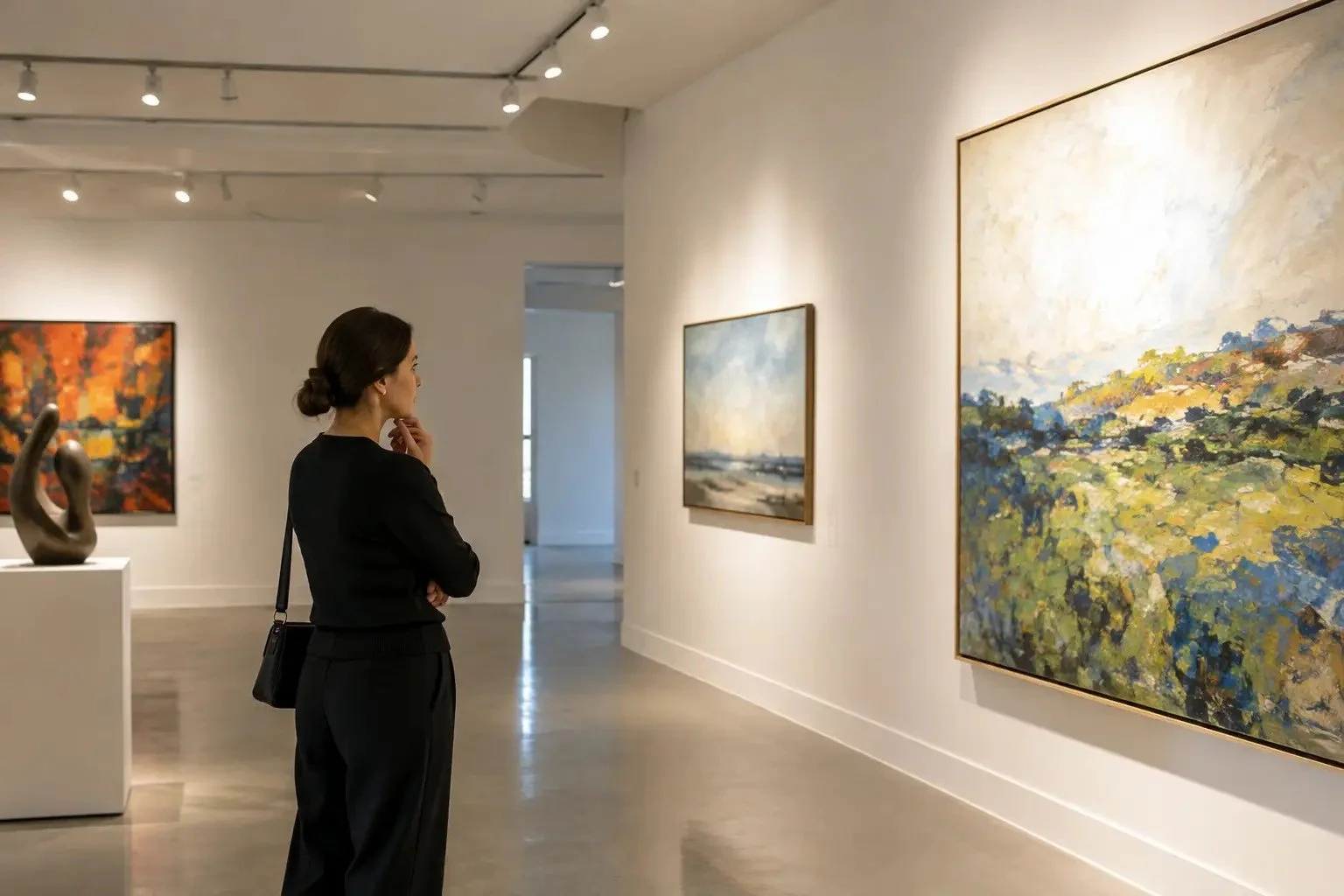
A painting can be impeccably installed and still fail to arrive visually. A badly aimed fixture can flatten impasto, shift a carefully mixed palette or leave reflective work fighting its surroundings. This exhibition lighting planning guide treats light as part of curatorial practice: a way to protect the object while letting its material, colour and intent be seen clearly.
For galleries, museums, collectors and exhibition designers in Malaysia, lighting is not a finishing touch. It sets the conditions in which visitors meet the work, and the planning should begin well before fixtures are specified or walls are painted.
Begin with the artwork, not the fixture
Every plan should start with an object-by-object review of medium, surface, scale, age, fragility, framing and viewing distance. A large matte canvas can take a different approach from a glossy photograph, a varnished oil, a textile or a drawing. Light that gives a textured painting welcome depth may create hotspots on a glazed work. There is no universal beam angle, colour temperature or light level.
Review condition and sensitivity early. Paper, textiles, watercolours and dyes may need lower light, limited exposure and rotation. Conservation should shape the scheme from the start, not force compromises after installation. See our guide on preventing light damage to artwork.
Establish the viewing intent
Decide what the exhibition needs to communicate before discussing equipment. Is it intimate and contemplative, or energetic and readable from across the room? Should visitors notice texture and process? Is the aim a consistent field or a sequence of distinct encounters?
Most exhibitions need a clear relationship between ambient and accent light. Ambient light supports navigation, comfort and labels. Accent light gives the artwork authority. Too much ambient light and the work loses distinction; too little and the room becomes theatrical at the expense of access.
The architecture matters too. Dark walls strengthen focus, white walls feel open but bounce light that reduces contrast, and ceiling height, windows and floor finishes all change perception. Plan from the visitor's path, not only from an elevation drawing.
Select colour quality with discipline
Colour rendering. A high CRI helps, but two fixtures with similar scores can look different on art. Check extended colour data and test on real work.
Colour temperature. Around 3000K suits many paintings and mixed media; warmer light can complement historic interiors, neutral white can suit photography and contemporary spaces. See museum lighting colour temperature.
Consistency. Specify and test fixtures so white points match across units and future replacements.
Control beam, direction and glare
Good lighting is less visible than bad lighting. Match the beam angle to each work's size and position: narrow beams isolate small objects but leave dark edges on large ones, while wide beams can spill onto neighbouring works. Zoom optics and interchangeable lenses help changing programmes, but only if they are properly focused and recorded. Set the angle of incidence to keep reflections out of the viewer's sightline, as explained in how to reduce glare on framed art.
A planning sequence that works
Object review: medium, condition, sensitivity, size.
Viewing intent: mood, hierarchy and route through the space.
Specification: colour quality, beam options, dimming and controls.
Mock-up: test fixtures on representative works.
Focusing: aim with the work installed and the room in its normal state.
Documentation: record fixture positions, lenses and levels for future shows.
Frequently asked questions
When should exhibition lighting be planned?
As early as the object list is known, before walls are painted or fixtures are ordered.
What light level should an exhibition use?
It depends on each work's sensitivity and the exhibition intent. Sensitive materials need lower levels and limited exposure.
Why record lighting settings?
So successful setups can be repeated and fixtures replaced without changing the look of the room.
Exhibition lighting from Nuray Lab
A well-planned exhibition lets visitors forget the lighting and stay with the work. Explore Nuray Lab's art lighting and products, or contact us to plan lighting for your next exhibition in Malaysia.