How to Prevent Light Damage to Artwork: A Practical Guide
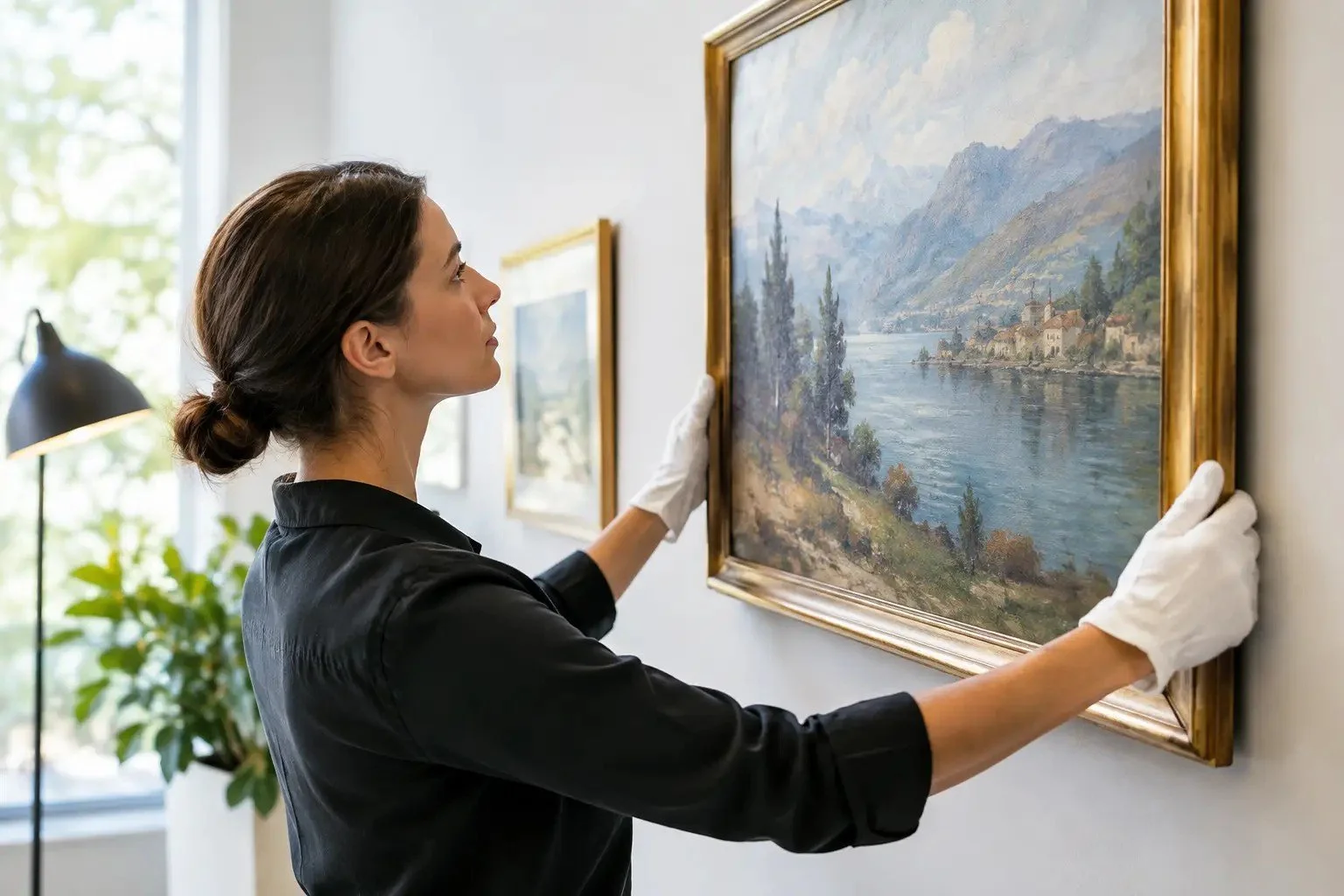
A watercolour can lose its delicacy long before the damage is obvious from across the room. A photograph may shift in colour while its surface still looks pristine. Knowing how to prevent light damage to artwork means treating illumination as a controlled conservation condition, not simply a way of making work visible.
Light is essential to the experience of art, but exposure is cumulative and irreversible. In Malaysia, where strong sun and bright interiors are the norm, the task is not to remove light. It is to deliver enough for faithful viewing while limiting the dose a work receives over time.
Why light changes artwork
Light damage is a photochemical process. Energy from light alters pigments, dyes, paper fibres, binders, textiles and photographic materials. Fading is the most familiar result, but materials can also yellow, darken, turn brittle or lose the distinction between subtle tones.
Risk depends on the material. Watercolours, coloured drawings, prints, textiles, historic documents and colour photographs are often highly sensitive. Many oil and acrylic paintings tolerate more light, but they are not immune.
Ultraviolet is only part of the issue. A room can filter out most UV and still overexpose a work through too much visible light or needlessly long display hours, and infrared adds heat. What matters is total light dose: intensity multiplied by time. A low level left on all day, every day, can do more harm than a higher level used briefly.
How to prevent light damage through light control
Set light levels by material sensitivity
No single lux level suits every object. Sensitive works call for restrained illumination, while less sensitive paintings may take more. If a lower level looks dull, do not overlight the artwork. Reduce the ambient brightness and window light around it instead, so the eye adapts and the work still reads clearly.
Use a calibrated light meter and measure at the artwork's surface, not at the ceiling. Recheck after any change in lamps, aiming, daylight or layout.
Limit exposure time, not only brightness
Rotate sensitive works. Show a drawing for a period, then rest it in dark storage and hang another.
Keep an exposure record. Institutions can set annual exposure budgets and log the hours each object is on view.
Use controls. Timers, dimming schedules and occupancy sensors cut wasted hours. Sensors should fade gently instead of switching abruptly.
Use LEDs with discrimination
Quality LED systems offer controlled beams, low radiant heat at the object, dimming and good colour rendering. But LED is not a synonym for conservation safe. Spectral output, optical control, dimming behaviour and long-term stability all affect the result. Choose fixtures that can be aimed and shielded precisely, and read our guide to UV free LED art lights for what that label covers.
Design the room around the artwork
Keep direct sun off art. Even a short daily patch of sunlight adds up. Use blinds, shades, UV-filtering glazing or window film, or move the work.
Observe the space over time. Sun angles, reflective floors, neighbouring glass buildings and pale walls all change exposure through the day and the year.
Aim artificial light carefully. Avoid hot spots and glare. A grazing angle can describe impasto well but may light a surface unevenly.
Do not fight reflections with brightness. On glazed works the better fix is a revised angle or less ambient glare. See lighting for textured artwork for how angle changes a surface.
Watch enclosed cases. Heat builds up inside a case even when the room feels comfortable, so plan lighting and climate together.
Frame, glaze and store for reduced risk
UV-filtering glazing adds a layer of protection for works on paper and photographs, but it does not stop visible light, so levels and hours still need managing. Use conservation-grade mounts and backing, and keep the work from touching the glazing.
Darkness is the most reliable protection. Works that are not on display should rest in suitable dark storage, away from heat and humidity swings.
Document the work before it changes
An accurate, colour-managed image made today gives you a baseline for judging change later, and supports insurance, loans and condition reporting. Nuray Lab's artwork reproduction service captures colour and surface under calibrated conditions for exactly this kind of record.
Frequently asked questions
Can light damage to artwork be reversed?
No. Faded pigments and dyes do not recover. A conservator can stabilise a work, but prevention is the only real protection.
Do LED lights damage artwork?
Any light contributes to cumulative change. Well-specified LEDs remove most UV and infrared risk, but light level and exposure time still matter.
Which artworks are most sensitive to light?
Watercolours, works on paper, textiles, dyed materials and colour photographs. Display them at lower levels and for limited periods.
Protective artwork lighting from Nuray Lab
Good preservation lighting is quiet: enough light to see the work truthfully, and no more than it can bear. Explore Nuray Lab's art lighting and products, or contact us to plan protective lighting for your gallery, collection or home in Malaysia.