Raking Light Photography for Artwork: What It Reveals and When to Use It
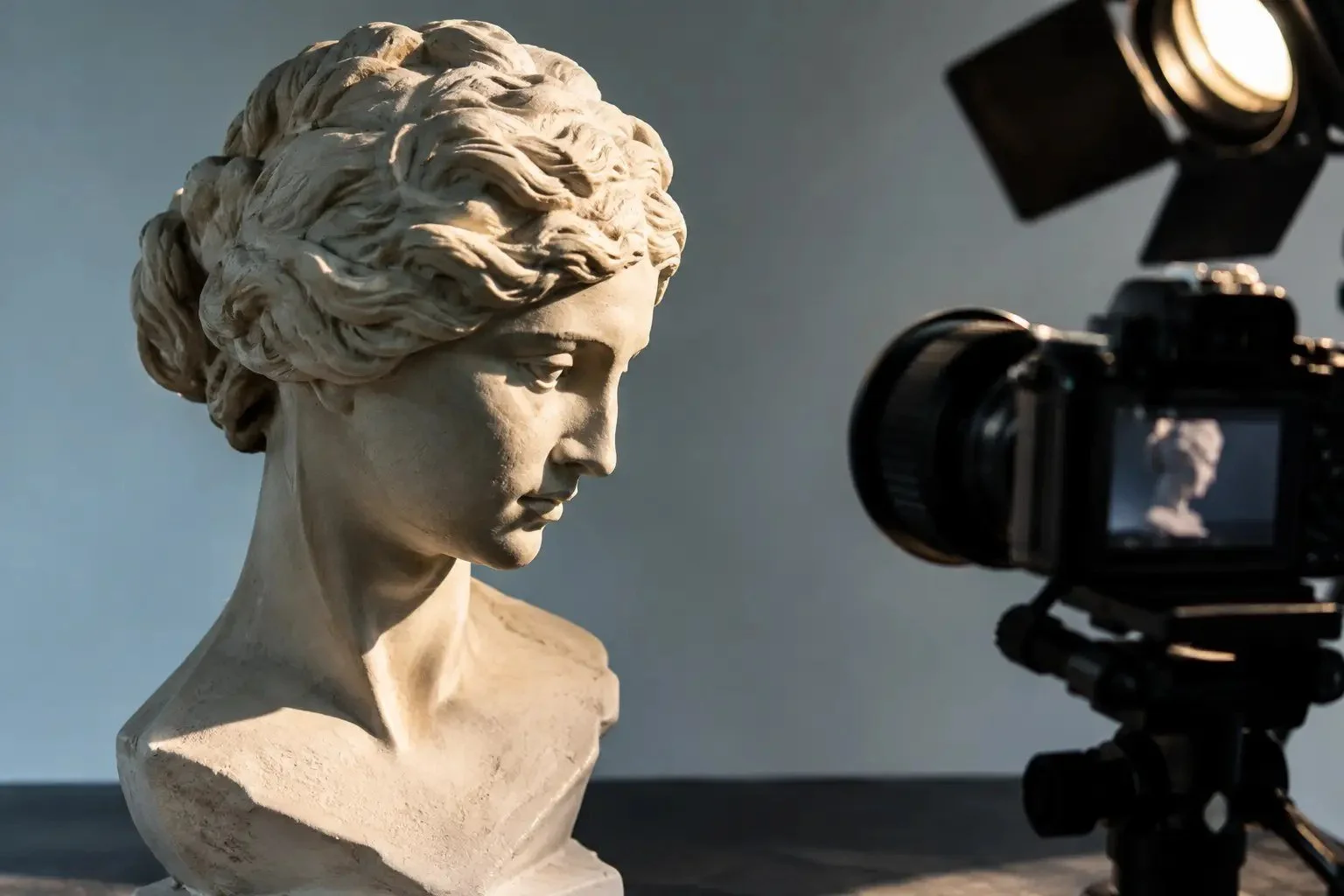
A painting can look perfectly resolved under frontal light, then disclose a different history when light passes across its surface at a low angle. Raised brushwork, canvas weave, dents, losses and old repairs become visible with unusual clarity. Raking light photography for artwork is designed to make that surface evidence legible without confusing it with how the work is meant to look.
For artists, collectors, galleries and institutions in Malaysia, the distinction matters. A colour-faithful reproduction records the image as it is meant to be seen. A raking-light image records the physical character and condition of the object. Together they make a more complete archive.
What raking light photography for artwork reveals
Raking light is illumination directed from one side of an artwork at a very shallow angle. Every change in surface height casts a small shadow, and the camera records those shadows as relief, texture and disruption.
Oil paintings: impasto, palette-knife marks and deformation of an ageing canvas
Works on paper: cockling, pressure marks, embossing and adhesive residue
Panel paintings: raised grain, joins, cracks and warping
Photographs, prints and mixed media: buckling, abrasions and handling damage
Why surface documentation deserves its own image
One lighting arrangement cannot do every job. Even, frontal lighting remains the standard for colour-faithful reproduction because it minimises shadows. Raking light does the opposite, so the result is not a neutral record of colour.
That limitation is its strength. A raking-light photograph gives a condition-oriented view that can be compared over time, and it supports:
Pre-loan and post-loan condition records
Conservation assessments
Acquisition and insurance files
Studio archives that preserve evidence of process
Raking light is not a single setup
Angle. A light very close to the plane of the work gives strong shadows that help locate fine cracks, but can exaggerate texture. Raising it slightly gives a more readable record of overall surface character.
Direction. Texture is directional. Vertical brushwork reads strongly when lit from the side and recedes when lit from above, so a full condition record may need images from more than one direction.
Source size. A narrow, controlled source gives the clearest definition. Broad light fills the very shadows that make the technique work.
The goal is not theatre. It is repeatable, intelligible information.
Camera position, reflections and exposure
Keep the camera square to the artwork so that perspective distortion is not mistaken for a physical distortion in the object. Gloss varnish, metallic pigments, resin and glass can throw bright reflections that hide detail, so light angle sometimes has to balance surface visibility against glare.
Expose to hold both shadow detail and the brightest highlights. If shadows close up, the image loses descriptive value. If highlights clip, raised areas can look flatter or more damaged than they are.
Read the image with care
A raking-light image is evidence, not a verdict. A dark line may be a stable drying crack, a recent impact or an intentional mark. Interpret these images alongside normal-light photography, direct examination, treatment records and, where appropriate, a conservator's assessment.
Take the same care when sharing them. A dramatic raking view can make a richly textured painting look distressed, so present it as a supplementary image, clearly separate from the primary reproduction.
When to include raking light in an artwork archive
It adds little for a flat, stable digital print. It is highly valuable for impasto paintings, relief work, collage, encaustic and fragile works on paper, especially:
Before and after exhibition loans or shipping
Before and after conservation treatment
When framing changes
When surface construction is central to the work
Frequently asked questions
What is raking light in art photography?
It is light aimed across the surface of an artwork at a low angle so that texture, relief and surface damage cast visible shadows.
Does raking light show the true colour of an artwork?
No. It emphasises surface relief. Accurate colour needs a separate, evenly lit reproduction image.
Is raking light safe for artworks?
It is a non-contact photographic technique. As with any photography, light intensity, heat and exposure time should be kept appropriate for the work.
Surface documentation with Nuray Lab
An artwork is both an image and an object. Nuray Lab approaches artwork reproduction photography and considered lighting as connected forms of stewardship, for artists, collectors, galleries and museums in Malaysia. To discuss documenting your work, contact us.